


All of us know how vital energy is. Right from school, children are taught ways to save electricity. And with the impending climate change, savings energy seems the need of the hour. It is estimated that the world's 20% energy is consumed for generating electricity. The traditional incandescents used more power than the output they gave. There were heavy losses of energy. Following this, many countries took steps to be more energy conscious.
In 2009, the EU began a ban on incandescents in lighting stores. In 2007, the U.S. issued energy-efficient guidelines and phased out inefficient incandescent bulbs. In 2014, lighting stores in Canada stopped selling higher-wattage incandescent bulbs following a ban on their manufacture and import. Additionally, incandescent lights have been phased out or outlawed in Australia, China, and many other Asian and Latin American nations. Each nation adopting these reforms is expected to save millions of dollars annually by switching to energy-efficient lights.
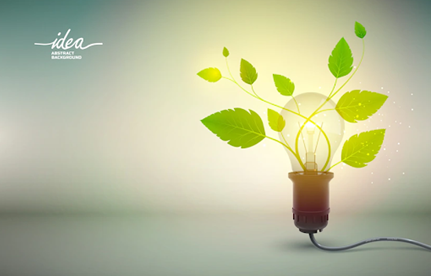
What is energy-efficient lighting?
Efficiency means achieving the end goal with minimal or no wastage of energy or effort. The same applies to lighting too. Traditional lighting products emit carbon dioxide leading to the wastage of energy.
Energy-efficient lighting consumes less power while giving the actual output. Energy-efficient product provides the necessary illumination level for the application it has been designed for while reducing electricity costs and carbon dioxide emissions.
Energy-efficient lighting entails replacing conventional light bulbs with more energy-efficient ones like LED, fluorescent, and CFL. It also includes automated lighting. The computerized lighting dims lights when necessary by using electronic circuitry and electronic chokes, which are used in place of ballasts in conventional lighting.
Benefits of energy-efficient lighting
- Power-efficient products reduce electricity consumption, thereby reducing electricity bills.
- Saving energy rather than wasting it.
- Preserving the planet by lowering greenhouse emissions
- Reduce peak load
Techniques
Electrical supplies and equipment have evolved a lot from their inception. Some of the newer inventions that have improved performance while consuming less energy are:
● Energy efficient lamps
Traditional incandescent lamps are used to consume excess energy to produce light. Typically, traditional products consume 3-5 times more energy to create the actual amount of light. Out of this, 90% of consumed energy was wasted as heat. Compared to ordinary lights, energy-efficient lamps can provide the same amount of lighting while saving more power at a lower cost. Energy-efficient lamps solve these issues by providing many more benefits than incandescent lighting.
● Compact Fluorescent Lamps (CFL)
These energy-saving lamps are the most common kind. These feature more modern technology than incandescent lamps and come in various sizes, shapes, and ratings. CFLs are tiny or curly versions of long-sized fluorescent tubes. These lamps combine the popularity and practicality of incandescent fixtures with the efficacy of fluorescent illumination. They screw into any lights that accept ordinary incandescent lamps but not into long-tube fluorescent fixtures.
Compared to incandescent bulbs, CFLs use 75% less energy and generate 75% less heat to produce the same amount of illumination. Compared to incandescent bulbs, they have a lifespan of 10 to 15 times longer but cost 10 to 20 times more.
● Light Emitting Diodes (LED)
LED-efficient lighting is available in various shapes, sizes, and styles. Some of the uses of LEDs are diffused bulbs, dimmable globe LED bulbs, track lighting pin-base type bulbs, flood reflector screw-in base bulbs, flame tip candelabra base LEDs, and LED tube lights. LEDs are more efficient than CFLs. LED lamps consume 75% less energy than conventional incandescent bulbs and 50% less energy than CFL bulbs. Compared to incandescent bulbs, they can last 8–25 times longer and up to four times longer than CFL bulbs.
In contrast to incandescent and CFL bulbs, LED lights emit no heat, making them cool enough to touch. However, even if these are more expensive, they are still reasonably priced in the long run. Semiconductor components are used to create PN junctions in LEDs. Anytime electricity crosses these junctions, energy is released in the form of light. The chemical makeup of the materials affects the wavelength and, consequently, the colour of the light. Yellow, red, blue, green, and white light can be produced using LEDs.
● Lighting controls
Another way to reduce energy consumption is the use of correct lighting controls. Automation has made a difference in every sector of life. Automated sensors like infrared sensors, automatic timers, motion sensors, and dimmers can detect the presence of people, motion, timing, or occupancy and, based on such input, can switch the lights on or off. Another important area for energy conservation is street lighting, which adds significantly to electricity usage, particularly along roads. Street light control typically makes use of centralized control systems. Streetlights can also be operated remotely using GSM/GPRS-based techniques.
● Energy-efficient fixtures and ballast
Replacing old, inefficient fixtures and ballast with new, more reliable ones results in improved energy savings. The new energy-efficient non-integrated ballasts in CFL bulbs are made of low-loss copper ballasts or are electronic compared to traditional ballasts. This helps to save energy to some extent. Power losses from conventional magnetic-type ballasts average 15% of the lamp's output. During operation, it may also increase fixture temperature. The appropriate ballast must be selected to decrease ballast losses, fixture temperature, and system wattage. There are several electronic or solid-state ballasts on the market now that can reduce energy usage by ordinary ballasts by 20 to 30 percent.
A luminaire's or lighting fixture's primary job is to diffuse, direct, and disperse light. Energy-efficient fixtures save 75% more energy than standard incandescent lamps. This helps to produce better illumination and also elongates the life of the lamp. Some fixtures can absorb more than 50% of the light produced by the bulb, which lowers the lighting system's efficiency.
Conclusion
The energy-efficient plans can be used for business and also for exterior lighting. They are also a good option for those who want energy-efficient home lighting. Along with lowering energy use, these programs also improve lighting quality, boost worker safety, and reduce adverse environmental effects. Remember, it matters more to be considerate with your consumption regardless of which of these lighting fixtures you choose. Even the most energy-efficient light bulbs should only be used when necessary. Please encourage your family to switch off the lights when they leave a room and ensure you do the same. Additionally, consider changing your routines to reduce your overall energy use.


